#26 - Benefits of Ecotherapy
I wouldn’t be wrong in saying it out loud, the world feels overwhelming. Fast. Loud. Unfair. Mad. Especially now. Over the years, I’ve learned not to fight that chaos anymore, but to meet it differently. To stay still when everything accelerates. To soften instead of panic. To embrace the unknown. Because the harsh truth is that we have control over very little. And again and again, I keep returning to the same place, the natural world. Out there, something shifts. My body calms. My mind quiets. My soul feels nourished.
In my previous article, I explored what ecotherapy and ecopsychology are, where they come from, and how they take shape in practice. Here, I want to take you deeper into their benefits, what I witness every day with my clients.
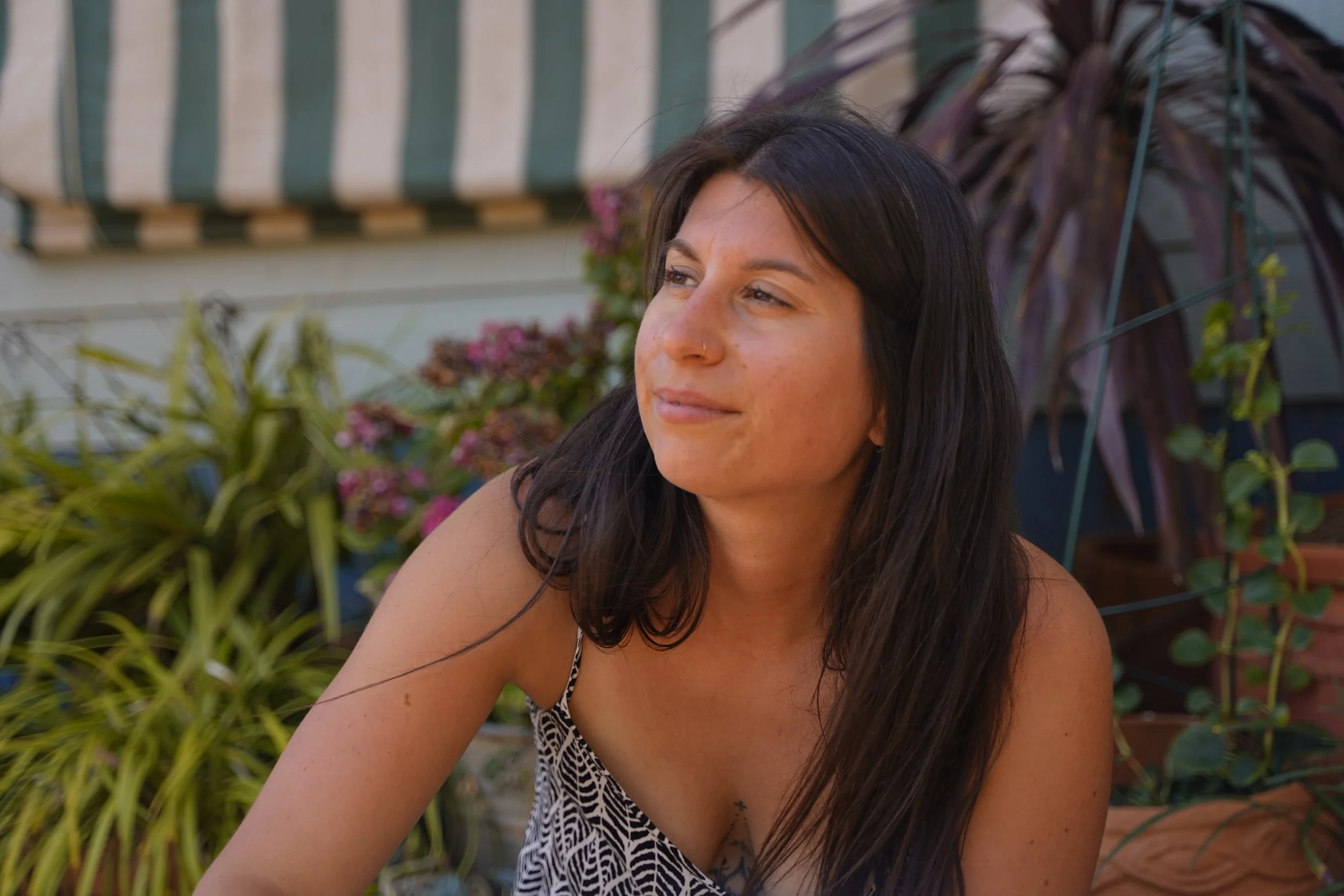
A glimpse into my story
I’m not going to lie. The work I do is deeply personal. I mostly walk alongside people in the helping professions, therapists, nurses, carers, social workers, healers, doctors, support workers, any carers, people like you who give, hold, support, and carry so much.
I understand that path intimately. I’ve been caring for as long as I can remember. Growing up with a mother living with long-term clinical depression, I stepped into the role of emotional support very early in my life, and I also cared for my younger sister along the way. It shaped me quietly, deeply, and, at times, painfully.
Years later, in 2012, I worked as a home care worker for the first time. In 2015, I started working in the humanitarian field. Now, over a decade on, I’m still here, walking alongside others, just in a different way, as an ecotherapist, a forest practitioner, and a counsellor. It’s a field full of passion, and also, if we’re honest, a field that can slowly deplete us.
When caring becomes too much
I’ve experienced burnout more than once. The first time was in 2017, in Cambodia, where I was working with children facing prostitution and child labour. I was young, deeply committed, and completely immersed. I was also living where I worked, giving everything I had, too much, too fast.
I worked long hours, took on more than I could hold, and cared deeply, but I felt powerless. I cried often and questioned myself. And still, I couldn’t leave. I felt I was meant to be doing this, meant to be listening to this calling.
I ended up doing an amazing job with a wonderful and committed team. Then, when my work was done, I returned to France. Back home, as I was writing my thesis, something in me had collapsed. I felt exhausted, low, and disconnected, as if my life had suddenly lost meaning, and it lasted for four months.
The second burnout came in 2024. Different context, same pattern, long hours behind a screen, multiple roles in the disability and aged care industry, constant pressure, and being “on” all the time. My body was whispering, “I am tired,” until it screamed, “Enough!”
I quit, with no regrets, but clear lessons. A few months later, Sarah Frustié Therapy was born. Today, my work looks different, slower, rooted, outside, and alive.
Recognising burnout
Sometimes, burnout doesn’t always arrive loudly. You might recognise some of its symptoms as:
Persistent low energy or motivation
Emotional exhaustion or numbness
Feeling trapped or unable to step away
Cynicism or disconnection from your work
Decreased life satisfaction
Irritability or overwhelm
Procrastination or loss of focus
Physical symptoms like headaches, body pain, or disrupted sleep.
If this feels familiar, you’re not alone.
How ecotherapy supports burnout recovery
Ecotherapy is not about escaping your life. It’s about returning to it, returning to the source where you feel more grounded, more connected, and more alive. It’s a gentle reconnection with yourself, guided by the rhythms of the seasons.
Here are some of the benefits I consistently witness in walking alongside clients:
A calmer nervous system: Something profound happens when we step into nature. The body begins to soften, and the constant alertness eases. Clients often feel calmer within minutes. Spending 20 minutes in nature each day eases the body and mind drastically. Spending 72 hours in nature without technology can feel deeply restorative and may support significant mental reset.
Reduced stress, anxiety, and depression: Nature creates space to breathe, feel, and release. Chronic stress begins to unwind. My clients feel more present and connected in the moment.
Slower body and mind: Heart rate slows, breathing deepens, and muscles release tension. The physical sensations and benefits of working outdoors are fascinating. This work requires a sense of safety. In nature, the body remembers what safety feels like. The Earth is loving, understanding, and profoundly nourishing. Your entire body and soul can finally relax.
Emotional balance and improved mood: My work also focuses on emotions. Clients often describe a sense of lightness returning, where every emotion is welcome, felt, named, and accepted. Emotions move and express themselves, and mood improves as we walk and explore the living world.
Reconnection to creativity and inner wildness: Ecotherapy moves away from rigid structures, allowing space to play and explore freely. It offers a more natural way of being and discovering yourself through therapeutic experiences in the wild.
Deeper self-awareness and relationships: Nature mirrors the self. The trees, the seasons, the skies, a bird flying nearby, or a butterfly landing on your shoulder can all hold meaning. Nature speaks in subtle ways. My clients gain deeper insights and begin to find meaning in their suffering and life experiences.
Presence and focus: Attention shifts from constant thinking to sensing. We return to the body, where the mind becomes quieter. The present moment becomes tangible again.
Support through grief and life transitions: Nature holds space without needing to fix anything. It offers a steady presence during times of loss, change, or uncertainty, including burnout. The space I co-create with the living world becomes a safe and transformative container where clients can be heard and supported in their grief.
Resilience and post-traumatic growth: Slowly and gently, clients rebuild themselves, becoming stronger and wiser. Over time, as we continue the work, they become more rooted, present, and aware.
A sense of belonging: This is perhaps the most important shift, remembering that you are not separate from nature. You belong here. You belong to yourself, to others, and to the Earth. You are nature.
You’re not alone in this
Burnout can feel isolating, like you’ve lost your way, but there is nothing broken here. The system is. A system that asks too much for too long.
I still feel, at times, that I am recovering from past burnouts. Healing is not linear. Post-traumatic growth builds like nature, slowly, in cycles, and in darkness. And maybe that’s the point, not to “bounce back” to who you were before, but to grow into someone more aligned, more attuned, and more wild.
Follow me on Facebook,Instagram, and LinkedIn for more info!
——
Sarah Frustié, Ecotherapist, Forest Guide, Nature Retreat Facilitator, and Holistic Counsellor
Sarah Frustié is a bilingual ecotherapist, holistic counsellor, and forest guide based in the Adelaide Hills and France. She supports people in caring professions to navigate burnout, release chronic stress and anxiety, and reconnect with themselves through nature-based practices, forest bathing, and guided nature and meditation retreats. With a deep belief in the healing power of the natural world, Sarah blends mindfulness, eco-psychology, trauma-informed, and whole-person approaches to create safe and sacred experiences. She is the founder of Sarah Frustié Therapy, where every session is an invitation to slow down, breathe, and connect with the living world.